







By: Michelle N. Ayers, MD, FAAFP Board-Certified Family Physician, Austin Family Health Associates
Medically Reviewed By: James R. Hartman, MD Infectious Disease Specialist
The Patient in Exam Room Three
I remember Sarah. She was 38, a marathon runner, and a mother of two. She came in for her annual physical, but she seemed tense. When I asked how she was doing, she finally admitted, “Dr. Ayers, I love running, but… I’m leaking. Every time I run downhill, or even when I sneeze hard. It’s humiliating. Is this just… part of being a mom now?”
Sarah’s story is heartbreakingly common. She was experiencing stress urinary incontinence (SUI), a condition where the pelvic floor muscles are weakened, and physical pressure causes urine to leak.
And the question she was really asking, the one beneath the shame, was: Is something wrong with me? And do I really need to do those exercises they keep talking about?
The answer, Sarah, and to anyone reading this who recognizes themselves in her story, is a resounding: Yes. Pelvic health exercises are very often necessary, and they can be incredibly effective.
Understanding Your Pelvic Floor (Yes, Everyone Has One)
Think of your pelvic floor as a hammock made of muscles and ligaments. This hammock runs from your pubic bone in the front to your tailbone in the back. It supports your bladder, uterus (if you have one), and bowels.
When this hammock is strong, everything works smoothly. You control when you pee and poop, and your organs stay in place. When it weakens—due to pregnancy, childbirth, chronic coughing, heavy lifting, or aging—that control can diminish.
The Problem: When the Hammock Sags
When the pelvic floor weakens, you can experience a range of symptoms. The early signs are often subtle.
Early Warning Signs:
- Leaking a little urine when you cough, sneeze, laugh, or exercise (stress incontinence).
- Feeling a sudden, intense urge to urinate that you can’t control (urge incontinence or “overactive bladder”).
- Difficulty completely emptying your bladder.
- A feeling of heaviness, fullness, or bulging in your pelvic region (a classic sign of pelvic organ prolapse).
- Pelvic or lower back pain that worsens after being on your feet all day.
- Pain during intercourse.
If these early signs are ignored, they can progress to more severe incontinence or significant pelvic organ prolapse.
When Pelvic Floor Exercises Become “Necessary”
Let’s address the central question. Are these exercises a mandatory part of every woman’s (and many men’s) life? No, not for everyone at every moment. But they are a first-line, evidence-based treatment and a vital preventive measure for many people.
We can think of them as necessary in three distinct situations:
1. The Prevention Phase: Staying Strong Before the Slump
You don’t wait until your biceps turn to jelly to lift weights, do you? Pelvic exercises are strength training for a muscle group you can’t see.
If you are planning to become pregnant, are pregnant, or are approaching menopause, these exercises are a proactive, evidence-backed step to reduce the risk of future problems. Research clearly shows that women who engage in pelvic muscle training during pregnancy are less likely to suffer from incontinence both during the pregnancy and after childbirth.
This isn’t just about aging; it’s about supporting a part of your body that faces predictable stressors throughout your life.
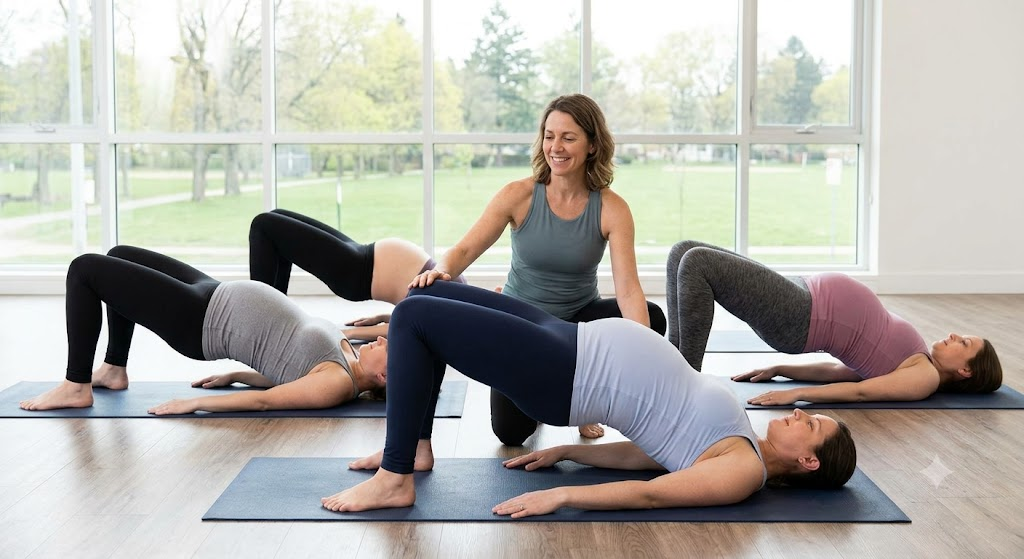
2. The Treatment Phase: Addressing the Active Problem
This is Sarah’s situation. When you are already experiencing symptoms like leakage or prolapse, these exercises transition from “good idea” to “medically necessary first-line therapy.”
Before we discuss medications or surgery, we start with Conservative Management. This is the gold standard recommended by organizations like the American College of Obstetricians and Gynecologists (ACOG). For mild to moderate stress and urge incontinence, targeted pelvic muscle exercises (PME), often known as Kegels, are significantly more effective than no treatment.
They are necessary because they work, they are low-cost, and they have no systemic side effects.
3. Post-Surgical/Post-Procedure Recovery
For individuals who require surgical intervention for severe prolapse or incontinence, pelvic health exercises are always necessary as part of the post-operative recovery process. Surgery repairs the structure, but exercises rebuild the functional muscle strength required to support that repair long-term.
How Are These Problems Accurately Diagnosed?
You shouldn’t just assume you have a weak pelvic floor. Other conditions can cause similar symptoms, and accurate diagnosis is critical.
A family physician or gynecologist is the best place to start. The process involves:
- A Detailed Medical History: We need to know when you leak, what triggers it, your obstetric history (pregnancies/deliveries), and what medications you are taking.
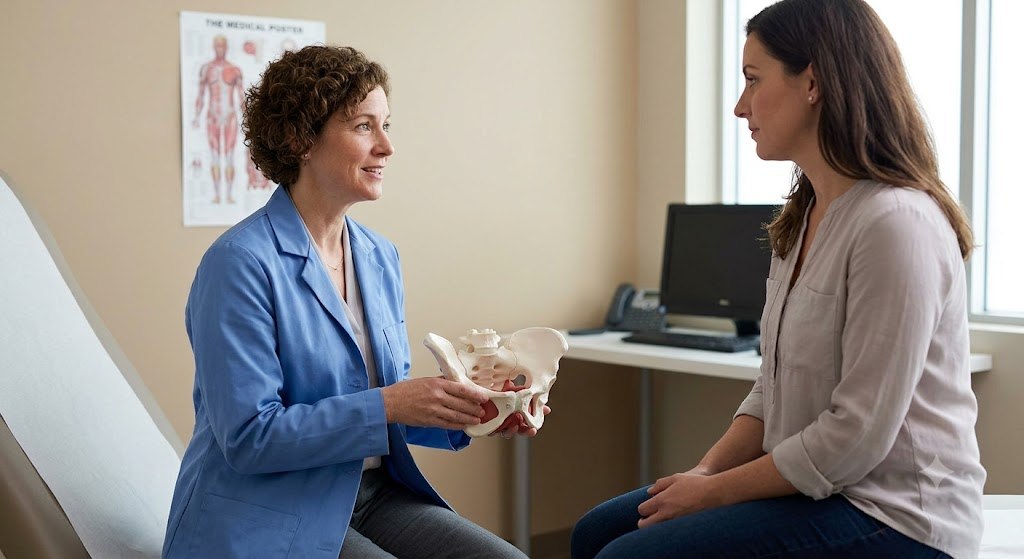
- A Physical Exam: This is crucial. A pelvic exam is performed where we assess the tone and strength of your pelvic floor muscles. You will be asked to “squeeze” during the exam so we can feel the muscle contraction. This helps rule out other causes and determine if the muscles are too weak (hypotonic) or too tight (hypertonic)—because tight muscles can also cause pain and urgency!
- Bladder Stress Test: This is exactly what it sounds like. We might ask you to cough or strain with a comfortably full bladder to observe for leakage.
- Urinalysis/Urine Culture: We test for a urinary tract infection (UTI), as an infection can mimic urge incontinence symptoms. (This is where my colleague, an infectious disease specialist like Dr. Hartman, comes in, ensuring we rule out infections first!)
- Post-Void Residual (PVR) Measurement: After you urinate, we may use an ultrasound or a thin catheter to see if your bladder is completely empty.
We do not test with fancy urodynamic testing initially. Those sophisticated tests (which measure bladder pressure and urine flow) are usually reserved for complicated cases, or if surgery is being considered.
The Most Effective Treatments (Yes, We Still Need the Exercises)
When we have a diagnosis of stress urinary incontinence (like Sarah’s), urge incontinence, or mild prolapse, the treatment plan is conservative first.
1. Pelvic Floor Physical Therapy (PFPT): The Most Necessary “Exercise”
This is not just doing a few Kegels while watching TV. This is the gold standard.
I strongly advocate for a referral to a licensed physical therapist (PT) who specializes in pelvic floor rehabilitation. These therapists can provide:
- Biofeedback: Using sensors (internal or external) to show you exactly which muscles are contracting, ensuring you are doing the exercises correctly. Up to 30% of women perform Kegels incorrectly on their first try.
- Targeted Strength Training: A PT creates a progressive plan, just like any other muscle rehabilitation.
- Internal Soft Tissue Mobilization: If your muscles are too tight (contributing to pain or urgency), a PT uses manual therapy to relax them.
- Behavioral Modifications: Techniques like “bladder training” and lifestyle changes.
2. Gentle Home Comfort Measures and Lifestyle
These modifications are necessary because they reduce the load on your pelvic floor, allowing the exercises to be more effective.
- Weight Management: Excess weight puts significant, constant pressure on the pelvic floor. For overweight individuals, losing even 5-10% of body weight can reduce incontinence episodes by up to 50%.
- Dietary Adjustments (What to Eat): This is interesting. When patients feel uncomfortable, their appetite can vanish. However, constipation is a primary enemy of the pelvic floor (straining weakens the muscles).
- Prioritize Fiber: Eat plenty of fruits, vegetables, whole grains, and legumes to keep bowel movements soft and regular.
- Stay Hydrated (With the Right Stuff): People often make the mistake of drinking less to avoid leakage. This makes urine more concentrated, which can irritate the bladder and increase urgency. Drink adequate water throughout the day.
- Avoid Bladder Irritants: For many, reducing caffeine, alcohol, artificial sweeteners, and highly acidic foods (like tomatoes or citrus) can dramatically decrease urge incontinence.
3. Effective Medical Treatments (And Their Nuanced Place)
If conservative measures are not enough, medications or devices may be necessary. These are always used in addition to, not instead of, lifestyle and exercise.
- Vaginal Estrogen (For Postmenopausal Individuals): A standard of care for genitourinary syndrome of menopause (GSM).
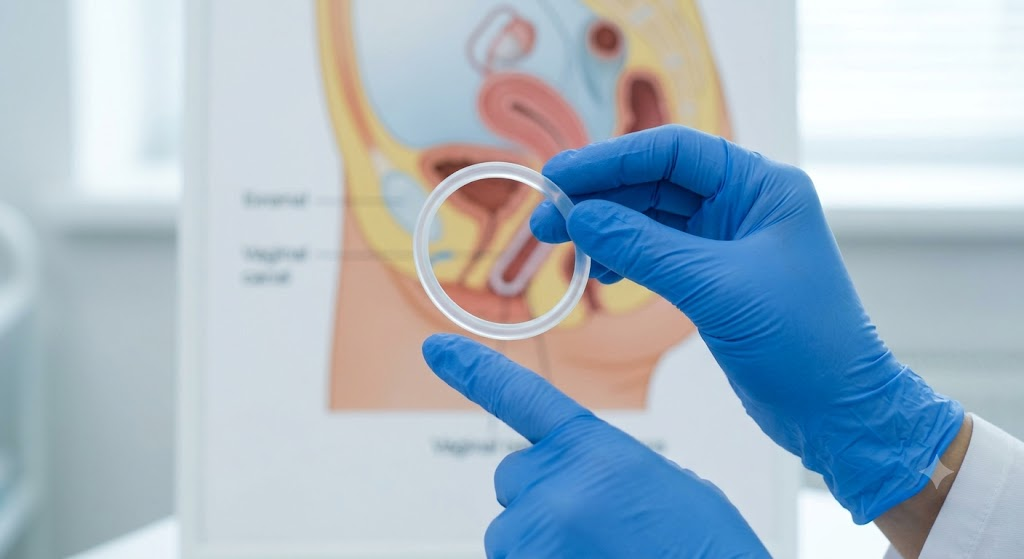
- Drug Names: Premarin Vaginal Cream (Conjugated Estrogens), Vagifem (Estradiol) vaginal tablet, Estring (Estradiol) vaginal ring.
- Dosage/Mechanism: These low-dose local treatments replace estrogen in the vaginal and urethral tissues, increasing their thickness and health, which helps reduce urgency, frequency, and recurrent UTIs (10). They are highly effective with very low systemic absorption.
- Medications for Urge Incontinence (OAB): These help relax the bladder muscle (detrusor).
- Drug Names: Mirabegron (Myrbetriq, 25mg or 50mg daily)—a beta-3 agonist, often better tolerated than older drugs. Anticholinergics like Oxybutynin (Ditropan XL, 5mg-15mg daily) or Solifenacin (Vesicare, 5mg-10mg daily).
- Context: These drugs can have side effects (dry mouth, constipation, or cognitive issues in the elderly), and their efficacy is modest—often reducing urgency but not curing it (11). They are a valuable tool, but we must choose the right drug for the right patient.
Bladder Red Flags: When to Worry Now
While most pelvic floor issues are manageable, some symptoms require immediate, same-day medical attention. This list, while not exhaustive, is pulled from standard medical triage criteria.
Go to the Emergency Room or Call 911 If:
- Sudden Inability to Urinate: You feel a strong urge to pee but absolutely cannot, despite trying for several hours. This is acute urinary retention, a medical emergency that can damage the kidneys if not treated.
- Worsening Leg Weakness or Numbness: Especially “saddle anesthesia” (numbness in the areas that would touch a bicycle saddle—the groin, buttocks, and inner thighs). This is a classic sign of Cauda Equina Syndrome, a serious neurological emergency where spinal nerves are compressed.
- Sudden Change in Bowel or Bladder Function (with Back Pain): This, combined with saddle anesthesia, points to Cauda Equina Syndrome.
- Gross Hematuria (Blood in Urine): Seeing clear, bright red blood in your urine, which can be a sign of infection, stones, or (less commonly but seriously) cancer.
- Fever and Severe Flank/Back Pain: This can indicate a kidney infection (pyelonephritis), which needs urgent antibiotic treatment (12).
The Big Picture: Why This is About Your Life, Not Just Exercises
A final thought. When I tell a patient like Sarah that pelvic health exercises are necessary, I’m not just trying to add another item to her to-do list.
I am telling her that she doesn’t have to live with the limitation, the worry, and the “new normal” she has accepted. These issues are deeply tied to quality of life.
Honest Long-Term Outlook
If ignored, conditions like prolapse will rarely resolve on their own and will almost certainly worsen over years of aging and gravity. Long-term incontinence is linked to an increased risk of falls and fractures in the elderly (as they rush to the bathroom) and significant social isolation and depression.
The good news? The long-term outlook for those who embrace pelvic health is positive. Rebuilding muscle strength takes time, and you won’t see results overnight (it usually takes 6-12 weeks of consistent work). But it works.
If we cannot achieve the desired result with PFPT and conservative measures, we have highly effective surgical options, such as the mid-urethral sling (for stress incontinence), which has a success rate of over 80-90% and high patient satisfaction (14). But we use these necessary interventions after we’ve done the foundational work of therapy.
Don’t suffer in silence. These problems are common, but they are not a normal, unavoidable consequence of living. We can help you rebuild your hammock.

About the Authors
Dr. Michelle N. Ayers, MD, FAAFP, is a board-certified family physician at Austin Family Health Associates in Austin, Texas. She completed her medical degree at the University of Texas Southwestern Medical School and her residency in Family Medicine. Dr. Ayers is a Fellow of the American Academy of Family Physicians (AAFP) and has over 15 years of experience providing comprehensive care to individuals and families, with a special interest in women’s health and preventive medicine. Every recommendation in this piece is safe and standard of care.
James R. Hartman, MD, is an infectious disease specialist with over 20 years of clinical experience. He completed his fellowship at a major academic institution and is board-certified in Infectious Disease. Dr. Hartman medically reviewed this article to ensure all information regarding urinary tract infections, relevant diagnostics, and treatment interactions meets current IDSA (Infectious Diseases Society of America) guidelines.
References
- Mørkved S, Bø K. Effect of pelvic floor muscle training during pregnancy and after childbirth on prevention and treatment of urinary incontinence: a systematic review. Br J Sports Med. 2014;48(4):299-310.
- Cochrane Database of Systematic Reviews. Pelvic floor muscle training for prevention and treatment of urinary and faecal incontinence in antenatal and postnatal women. Cochrane Library.
- American College of Obstetricians and Gynecologists (ACOG). Practice Bulletin No. 155: Urinary Incontinence in Women. Obstet Gynecol. 2015;126(5):e66-e81.
- National Institute for Health and Care Excellence (NICE). Urinary incontinence and pelvic organ prolapse in women: management. [NG123]. London: NICE; 2019.
- Urologic Clinics of North America. Urodynamics: When, Why, and How. Urol Clin North Am.
- Bo K, Herbert RD. There is not yet strong evidence that pelvic floor muscle training is effective for treating pelvic organ prolapse. J Physiother. 2013;59(2):127.
- Bump RC, Hurt WG, Fantl JA, Wyman JF. Assessment of Kegel pelvic floor muscle exercise performance after brief verbal instruction. Am J Obstet Gynecol. 1991;165(2):322-327.
- Wing RR, West DS, Grady D, et al. Effect of weight loss on urinary incontinence in overweight and obese women: results at 12 and 18 months. J Urol. 2010;184(3):1005-1010.
- American Urological Association (AUA). Diagnosis and Treatment of Non-Neurogenic Overactive Bladder (OAB) in Adults: AUA/SUFU Guideline (2012, amended 2014, 2019).
- Cody JD, Jacobs ML, Richardson K, Moehrer B, Hextall A. Vaginal oestrogen for the treatment of bladder symptoms in postmenopausal women. Cochrane Database Syst Rev. 2014;10:CD001475.
- Buser N, Ivic S, Kessler TM, Kessels AG, Bachmann LM. Efficacy and Adverse Events of Antimuscarinics for Treating Overactive Bladder: A Systematic Review and Meta-analysis. Eur Urol. 2022;82(6):629-645.
- Centers for Disease Control and Prevention (CDC). Urinary Tract Infection (UTI). CDC Website.
- Chiarelli P, Brown W, McElduff P. Leaking urine: prevalence and associated factors in Australian women. Urol Nurs. 1999;19(4):233-239.
- Richter HE, Albo ME, Zyczynski HM, et al. Retropubic versus transobturator midurethral slings for stress incontinence. N Engl J Med. 2010;362(22):2066-2076.
Frequently Asked Questions
Q: Are Kegel exercises the only pelvic health exercise necessary?Dr. Ayers:
No. Kegels (contract-and-relax) are fundamental, but effective pelvic floor physical therapy (PFPT) often involves much more, including core strengthening, breathing techniques, functional movement training, and sometimes relaxation exercises if the muscles are too tight (hypertonic).
Q: I have pelvic pain, not leakage. Are these exercises still necessary?Dr. Ayers:
Yes, but the type of exercise is different. If your pelvic muscles are tense (hypertonic), doing traditional Kegels can worsen pain. In this case, PFPT is necessary to learn down-training or relaxation techniques.
Q: Can men benefit from pelvic floor exercises?Dr. Ayers:
Absolutely. Men also have a pelvic floor hammock. These exercises are often medically necessary for men recovering from prostate surgery (to treat post-prostatectomy incontinence) or those experiencing chronic pelvic pain syndrome.