




By Dr. Michelle N. Ayers, MD, FAAFP
I remember Sarah. She came in, her eyes wide with that blend of hope and quiet desperation that doctors learn to recognize all too quickly. She and her husband had been trying for a baby for almost two years. “Everything feels… right,” she said, her voice small. “But nothing’s happening.” Sarah was healthy, vibrant, in her early thirties. But as I probed deeper, asking about her periods, about pain, a clearer picture started to emerge. It wasn’t about missing ovulation or hormonal imbalances, not directly. It was about something subtler, yet profoundly impactful: her pelvic health.
Sarah’s story isn’t unique. The connection between pelvic health and fertility is often overlooked, a quiet undercurrent that can profoundly influence the delicate dance of conception. As a family physician, I see this intersection frequently. It’s not just about the ovaries and uterus; it’s about the entire ecosystem they inhabit, the complex tapestry of muscles, nerves, organs, and ligaments that form the foundation of our pelvic region. When this ecosystem is disrupted, whether by inflammation, infection, structural issues, or even chronic tension, it can create obstacles on the road to parenthood.
In this guide, we’ll delve into the multifaceted ways pelvic health intertwined with fertility. We’ll explore the “why” and “how,” decode the subtle and sometimes not-so-subtle signs, navigate the diagnostic journey, and discuss evidence-based approaches to address these challenges. My goal is to empower you with knowledge, to demystify this often complex area, and to provide actionable insights that can make a real difference. Because your journey to parenthood deserves understanding, support, and a comprehensive approach that honors every aspect of your well-being. Let’s begin.
Understanding the Pelvic Ecosystem: More Than Just the Uterus
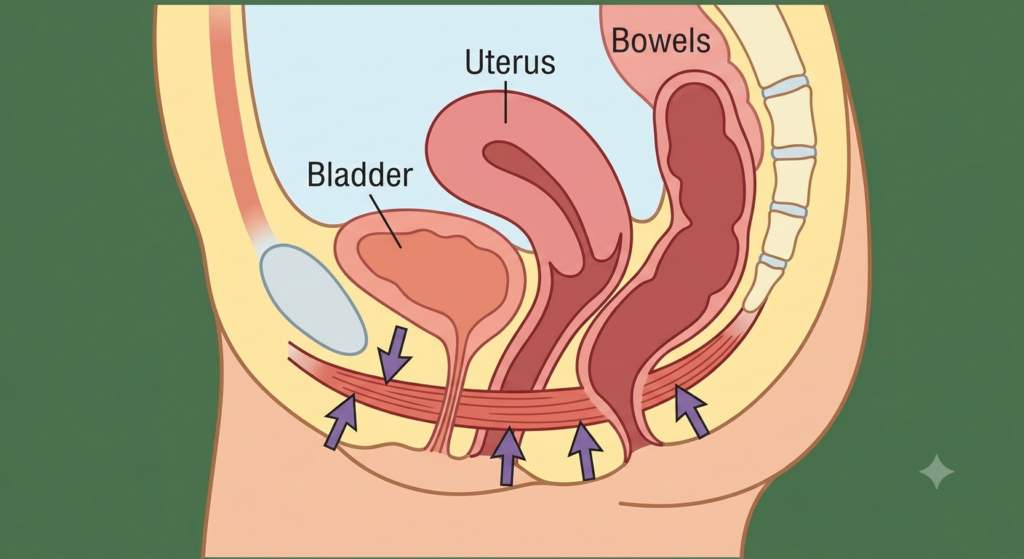
We often think of fertility through a narrow lens – eggs, sperm, hormones, the uterus. But the reality is far more intricate. The pelvic region is a bustling metropolis, home to vital organs, a intricate network of nerves, a complex interplay of muscles and ligaments, and a delicate microbial balance. This ecosystem provides the crucial environment for conception and a healthy pregnancy.
Think of it like this: the uterus is the seed, the egg and sperm are the lifeblood, but the entire pelvic environment is the soil. If the soil is depleted, inflamed, or physically obstructed, even the healthiest seed may struggle to take root and thrive.
Pelvic floor muscles, for instance, play a vital role. They support the bladder, uterus, and bowels, and they also contribute to proper blood circulation and nerve function within the pelvic cavity. Chronic tension or weakness in these muscles can lead to pain, discomfort, and potentially impact the function of reproductive organs. Inflammation, whether from endometriosis, pelvic inflammatory disease (PID), or other conditions, can create scarring and adhesions, physically blocking the pathways for eggs and sperm. Even the gut microbiome, which is interconnected with the pelvic microbiome, plays a role in overall health and immune function, factors that indirectly influence fertility.
Essentially, a healthy pelvic environment is essential for creating the optimal conditions for fertilization, implantation, and a thriving pregnancy. When this delicate balance is disrupted, it can negatively impact various stages of the reproductive process.
How Can Pelvic Health Affect Fertility? Decoding the Connections
So, how exactly does pelvic health impact fertility? The pathways are diverse and often interconnected. Let’s explore some of the primary ways:
1. Structural Obstructions and Scars (Adhesions): This is one of the most direct ways pelvic health affects fertility. Conditions like endometriosis, pelvic inflammatory disease (PID), and previous pelvic surgeries can cause scar tissue, also known as adhesions. These adhesions are like internal sticky tape, pulling organs out of place or physically blocking key reproductive pathways.
Imagine the fallopian tubes as the vital highway where the egg and sperm meet. If adhesions block or distort these tubes, fertilization cannot occur. Similarly, adhesions can interfere with the ovary’s ability to release an egg, or even create a barrier for the egg to enter the tube.
2. Chronic Inflammation: Chronic inflammation is like a low-grade fire in the pelvis. Conditions such as PID, endometriosis, and adenomyosis (when uterine tissue grows into the muscular wall of the uterus) are characterized by persistent inflammation. This constant inflammatory state can damage delicate reproductive tissues, impair the function of the fallopian tubes and ovaries, and even make the uterine environment less receptive to implantation. It’s not just a physical barrier; it’s a biochemically hostile environment that can disrupt the precise sequence of events needed for conception.
3. Pelvic Floor Dysfunction: The pelvic floor muscles, as mentioned earlier, are crucial. Dysfunction – whether weakness, excessive tightness (hypertonicity), or a lack of coordination – can impact fertility indirectly. Tight, hypertonic pelvic floor muscles can lead to chronic pelvic pain (CPC), which can make intercourse difficult or impossible. They can also impair blood flow to the pelvic organs, potentially affecting their function. On the other hand, weakness can contribute to structural issues or a lack of proper support for the organs. While less direct than a blocked tube, pelvic floor dysfunction creates a suboptimal environment that can hinder fertility in multiple ways.
4. The Microbiome Connection: Recent research is shining a light on the intricate relationship between the gut, vaginal, and uterine microbiomes. A disruption in the balance of beneficial bacteria, a condition known as dysbiosis, can have surprising implications for fertility. Chronic inflammation originating in the gut can contribute to systemic inflammation, which we know is detrimental to reproductive health. Furthermore, a disrupted vaginal microbiome can alter the cervical mucus, potentially affecting sperm motility and survival. While more research is needed, optimizing the microbiome through diet and possibly probiotics is an increasingly recognized avenue for supporting fertility.
Understanding these interconnected pathways highlights why a holistic approach to fertility must include a focus on pelvic health. It’s about addressing the structural, inflammatory, muscular, and even microbial aspects of this crucial ecosystem to create the best possible conditions for conception to occur.
Early Warning Signs and Diagnostic Crossroads
Identifying potential pelvic health issues that could affect fertility is key. Symptoms are often subtle and can be easily brushed aside. Pay attention to your body and don’t dismiss consistent discomfort. Here are some early signs and symptoms that warrant attention:
- Chronic Pelvic Pain (CPP): This is perhaps the most significant red flag. While “normal” period cramps are common, constant or severe pelvic pain that interferes with daily life is not. This pain can range from a dull ache to sharp, stabbing sensations. It can be related to endometriosis, PID, fibroids, or pelvic floor dysfunction.
- Pain During Intercourse (Dyspareunia): Pain during or after sex is a strong indicator that something is amiss in the pelvis. It can be caused by various issues, including vaginal infections, endometriosis, pelvic floor muscle tension, or structural abnormalities. Don’t ignore it.
- Irregular or Heavy Menstrual Periods: While many women experience occasional irregularity, consistently irregular periods or unusually heavy bleeding can signal issues like hormonal imbalances, fibroids, or polyps, all of which can impact fertility.
- Painful Bowel Movements or Urination: Pelvic health involves the entire pelvic cavity, including the bladder and bowels. If you experience pain during bowel movements (especially around your period) or during urination, it could be linked to endometriosis growing on or near these organs.
- Unexplained Infertility: When couples struggle to conceive for over a year (or six months if the woman is over 35) without an obvious cause after initial testing, further investigation into pelvic health is often necessary. Unexplained infertility can sometimes be linked to underlying pelvic issues that aren’t readily apparent through standard tests.
If you recognize these signs, the diagnostic journey begins. This often involves a multi-pronged approach:
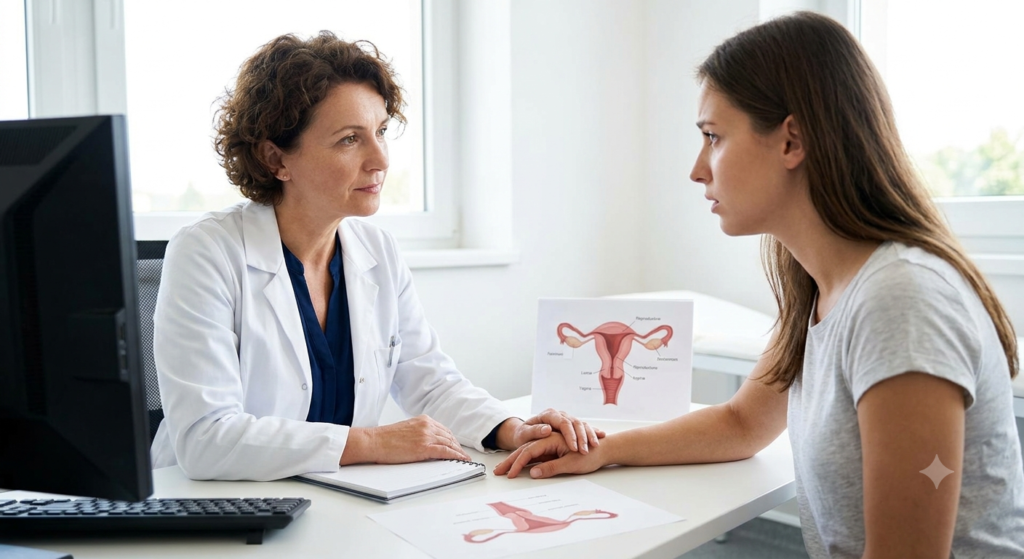
- Comprehensive Medical History and Physical Exam: Your doctor will start by listening to your story – your symptoms, their duration, and any relevant medical history. A pelvic exam is essential for assessing physical structures, checking for pain, and identifying potential abnormalities.
- Diagnostic Imaging: Ultrasound (both abdominal and transvaginal) can visualize pelvic organs, looking for fibroids, polyps, ovarian cysts, and in some cases, features suggestive of endometriosis. Hysterosalpingogram (HSG), an X-ray procedure involving dye injected into the uterus, can check for blockages in the fallopian tubes. MRI is another valuable imaging tool, offering highly detailed images of pelvic anatomy, particularly useful for diagnosing endometriosis.
- Laparoscopy: For many conditions, especially endometriosis, laparoscopy remains the diagnostic gold standard. This is a minimally invasive surgical procedure where a tiny camera (laparoscope) is inserted through a small incision in the abdomen, allowing the surgeon to directly visualize the pelvic organs. This procedure is unique because it combines diagnosis with the potential for immediate treatment – the surgeon can often remove scar tissue or endometriotic lesions during the same procedure.
Navigating these early signs and diagnostic tests is a collaborative process with your healthcare provider. Early detection and an accurate diagnosis are crucial for developing an effective treatment plan to address any pelvic health issues that may be impacting your fertility.
Evidence-Based Strategies for Treating Pelvic Health Challenges
The most important thing to remember is that most pelvic health issues impacting fertility are treatable. The key is to match the treatment to the specific underlying condition. Here’s a look at evidence-based approaches:
1. Treating Pelvic Inflammatory Disease (PID): PID, often caused by untreated sexually transmitted infections (STIs) like chlamydia or gonorrhea, requires prompt and thorough antibiotic treatment to prevent long-term damage like scarring and tubal blockages. The Centers for Disease Control and Prevention (CDC) outlines clear guidelines for PID treatment, often involving a combination of antibiotics to cover a broad spectrum of bacteria.
A typical outpatient regimen might include:
- Ceftriaxone: A single intramuscular injection of 500 mg (or 1 gram depending on the setting and potential resistance patterns). This addresses Neisseria gonorrhoeae.
- Doxycycline: 100 mg orally twice a day for 14 days. This targets Chlamydia trachomatis and other organisms.
- Metronidazole: 500 mg orally twice a day for 14 days, added to cover anaerobic bacteria and sometimes Mycoplasma genitalium.
It’s crucial to complete the entire course of antibiotics, even if symptoms improve, to ensure the infection is completely eradicated. Sexual partners must also be treated to prevent reinfection.
2. Managing Endometriosis: Endometriosis is a complex condition with varying treatment approaches, depending on the severity of symptoms and fertility goals.
- Surgical Treatment (Laparoscopy): For those actively trying to conceive, surgical removal (excision) of endometriotic lesions and adhesions is often the preferred approach. This direct intervention aims to restore normal pelvic anatomy and remove the inflammatory implants. Studies show that surgical excision can significantly improve spontaneous pregnancy rates for women with mild to moderate endometriosis.
- Hormonal Suppressive Therapy: While effective at managing pain symptoms, hormonal therapies (like birth control pills, GnRH agonists/antagonists, or progestins) are generally not compatible with actively trying to conceive because they suppress ovulation. However, they may be used for a period before assisted reproductive technologies (ART) like IVF to downregulate the hormonal environment and potentially improve outcomes.
3. Addressing Pelvic Floor Dysfunction: This is an area where physical therapy shines. Pelvic floor physical therapy (PFPT) is a highly effective, non-invasive treatment for various pelvic floor disorders, including hypertonicity, weakness, and pain.
- Pelvic Floor Physical Therapy (PFPT): A specialized physical therapist uses a combination of techniques:
- Manual Therapy: Soft tissue massage and myofascial release to alleviate tension in the pelvic floor muscles.
- Biofeedback: This technique uses sensors to help individuals become aware of their pelvic floor muscle activity, allowing them to learn how to relax or strengthen these muscles effectively.
- Therapeutic Exercises: Specific stretching and strengthening exercises tailored to individual needs. For those with hypertonicity, the focus is often on down-training and relaxation, not just strengthening.
- Education: Understanding pelvic anatomy, bladder/bowel habits, and lifestyle modifications that can reduce strain on the pelvic floor.
PFPT has proven successful in reducing pelvic pain, improving sexual function, and enhancing overall pelvic health, thereby indirectly supporting fertility.
4. Considering Other Conditions: Treatment for other pelvic health issues will vary. Fibroids or polyps that interfere with implantation may need to be surgically removed via hysteroscopy or laparoscopy. Addressing gut dysbiosis through dietary changes or probiotics is a supportive measure for overall health, though direct impacts on fertility require more research.
When discussing treatment with your doctor, be open about your fertility goals. This information is crucial for developing a personalized plan that addresses both your health needs and your desire for a family. Treatment should always be evidence-based and aligned with standard of care.
Complementary and Home Comfort Measures
While the primary treatment for pelvic health issues is medical or surgical, complementary approaches can play a supportive role in managing symptoms, enhancing well-being, and promoting a balanced pelvic environment. These measures are gentle but can make a meaningful difference:
- Dietary Modifications: Focusing on an anti-inflammatory diet rich in fruits, vegetables, whole grains, and healthy fats (like those found in fatty fish, flaxseeds, and walnuts) can help reduce systemic inflammation, which may benefit conditions like endometriosis and PID. Avoiding processed foods, excessive sugar, and potential triggers (such as gluten or dairy for some) may also be helpful.
- Regular, Moderate Exercise: Physical activity improves circulation, reduces stress, and promotes overall well-being. Focus on activities that support, rather than strain, the pelvic floor, such as walking, swimming, yoga (especially sequences focused on gentle stretching and pelvic alignment), and Pilates.
- Stress Management Techniques: Chronic stress can exacerbate pain and impact hormonal balance. Incorporating relaxation techniques into your daily routine is crucial. Consider mindfulness meditation, deep breathing exercises, progressive muscle relaxation, or acupuncture, which has shown promise in managing chronic pelvic pain and supporting fertility.
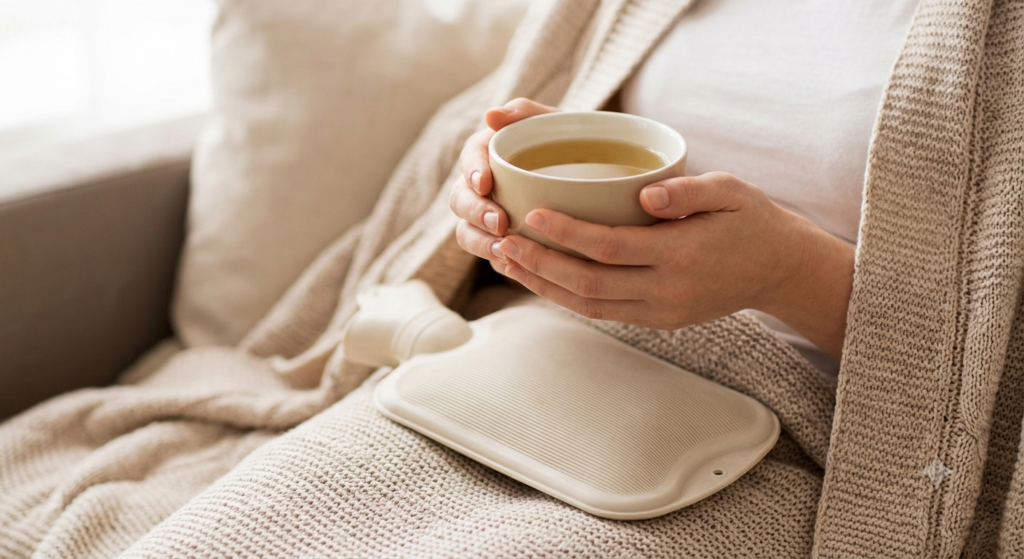
- Heat Therapy: Applying gentle heat to the lower abdomen using a warm compress, heating pad (on a low setting), or taking a warm bath can help relax tense pelvic floor muscles and soothe cramps associated with periods or endometriosis.
- Optimizing Sleep: Prioritizing quality sleep is essential for hormonal regulation, immune function, and overall resilience. Aim for 7-8 hours of restful sleep per night. Establish a consistent sleep-wake schedule, create a relaxing bedtime routine, and optimize your sleep environment.
- TENS Therapy (Transcutaneous Electrical Nerve Stimulation): A TENS unit, a small, portable device that sends gentle electrical impulses through electrodes placed on the skin, can be an effective non-pharmacological tool for managing chronic pelvic pain. It works by blocking pain signals and stimulating the release of endorphins, the body’s natural painkillers. Discuss its use with your doctor or physical therapist.
- Support Groups and Counseling: Navigating pelvic health issues and fertility challenges can be emotionally draining. Connecting with others who share similar experiences through support groups or seeking individual counseling can provide invaluable emotional support, coping strategies, and a sense of community.
These home comfort measures are not replacements for medical treatment but are powerful tools you can use to take an active role in your healing journey. They focus on nourishing your body, reducing stress, and managing symptoms, creating a more supportive environment for overall well-being and potential fertility.
What to Eat When Appetite Vanishes
When you’re dealing with chronic pelvic pain, inflammation, or the stress of fertility challenges, it’s not uncommon for your appetite to disappear. However, your body needs proper nourishment to heal, regulate hormones, and support the potential for pregnancy. When the thought of a full meal is overwhelming, focus on nutrient-dense, easily digestible options:
- Bone Broth: Incredibly soothing and rich in amino acids like glycine and proline, which support gut health and reduce inflammation. It’s also a good source of minerals.
- Smoothies: A fantastic way to pack a variety of nutrients into an easily consumable format. Blend leafy greens (spinach is mild), berries (antioxidants), a source of healthy fat (avocado, nut butter, or flaxseeds), and a high-quality protein powder (like collagen or a plant-based option).
- Ginger Tea: Excellent for settling an upset stomach and reducing nausea, which can sometimes accompany pelvic pain or treatment.
- Soups and Stews: Think pureed vegetable soups (like butternut squash or carrot ginger) or lentil soup. These are warm, comforting, and easy to digest.
- Cultured Foods: Probiotic-rich foods like yogurt, kefir, sauerkraut, or kimchi can support a healthy gut microbiome, which is interconnected with pelvic health.
- Hydration: Prioritize water, herbal teas, and electrolyte-rich beverages (like coconut water). Dehydration can worsen pain and overall feelings of malaise.
- Frequent, Small “Snack Meals”: Instead of three large meals, aim for small, frequent snacks throughout the day. This is less overwhelming for your digestive system and helps maintain stable blood sugar. Think handfuls of nuts, slices of apple with almond butter, or a hard-boiled egg.
When appetite is low, the goal is not perfection, but consistent, gentle nourishment. Listen to your body, focus on what appeals to you, and prioritize these nutrient-rich options to support your healing process.

A Note on Prevention and Proactive Care
When we talk about pelvic health and fertility, prevention often focuses on reducing the risk of conditions that can cause damage.
- Safe Sexual Practices: Since PID is frequently caused by untreated STIs (primarily chlamydia and gonorrhea), practicing safe sex by consistently and correctly using condoms is a critical preventive measure. Regular STI testing, especially for individuals with new or multiple partners, is also key for early detection and treatment before infections can escalate into PID.
- HPV Vaccination: The Human Papillomavirus (HPV) vaccine is another critical preventive tool. While HPV primarily targets the cervix (and can cause cervical cancer, which obviously impacts fertility), it can also contribute to other pelvic health issues. The CDC recommends the HPV vaccine for all preteens at age 11 or 12, but it can be given up to age 45 for those not previously vaccinated. By preventing HPV infection, we reduce the risk of associated cancers and the intensive treatments (surgery, radiation) that can severely impact reproductive function.
Proactive care also involves listening to your body and seeking medical attention for persistent pelvic symptoms. Early diagnosis and treatment of conditions like endometriosis or fibroids can prevent them from worsening and potentially causing extensive scarring or structural damage that could hinder fertility later on.
Emergency Red Flags: When to Seek Immediate Medical Attention
While many pelvic health issues can be managed with scheduled appointments, certain symptoms demand immediate medical intervention. Pulling from CDC criteria and standard of care, here are the non-negotiable emergency red flags:
- Sudden, Severe, or Excruciating Pelvic Pain: This is the most critical red flag. It could indicate a ruptured ovarian cyst, a twisting ovary (ovarian torsion), or an ectopic pregnancy, all of which are medical emergencies requiring immediate surgical evaluation.
- High Fever (over 101°F) accompanied by Severe Pelvic Pain: This combination strongly suggests a severe pelvic infection, such as acute PID or a pelvic abscess. These conditions require intravenous antibiotics and close monitoring in a hospital setting.
- Fainting, Dizziness, or Signs of Shock: If severe pelvic pain is accompanied by lightheadedness, fainting, cold/clammy skin, or a rapid pulse, it could indicate significant internal bleeding, often from a ruptured ectopic pregnancy.
- Heavy, Uncontrolled Vaginal Bleeding: Bleeding that soaks through more than one pad or tampon per hour for several hours, or is accompanied by severe pain or dizziness, requires urgent medical evaluation to rule out miscarriage, ectopic pregnancy, or other serious conditions.
- Persistent Nausea and Vomiting, preventing hydration: While some nausea can occur with pelvic pain, the inability to keep fluids down can lead to severe dehydration, which can worsen other medical issues.
If you experience any of these symptoms, do not wait. Go to the nearest emergency department or call 911 immediately. Early intervention is critical for preventing serious complications and protecting your health and future fertility.
Potential Long-Term Effects and The Path Forward
Untreated or chronic pelvic health issues can unfortunately lead to long-term consequences that extend beyond fertility. Understanding these potential outcomes reinforces the importance of early diagnosis and effective management:
- Chronic Pelvic Pain (CPP): This is a debilitating condition that can severely impact quality of life, mental health, and physical function. Conditions like endometriosis or pelvic floor dysfunction, if left unaddressed, can lead to persistent, difficult-to-treat pain that lasts for months or years.
- Permanent Fertility Issues: Scarring and adhesions from conditions like severe PID or advanced endometriosis can cause permanent blockages in the fallopian tubes or extensive damage to the ovaries, leading to tubal factor infertility or impaired ovarian function. In some cases, assisted reproductive technologies (ART) like IVF may become the only viable pathway to conception.
- Increased Risk of Ectopic Pregnancy: Damage to the fallopian tubes, often from previous infections or endometriosis, significantly increases the risk of an ectopic pregnancy – a potentially life-threatening condition where a fertilized egg implants outside the uterus (usually in the fallopian tube).
- Impact on General Health: Chronic inflammation, which underlies many pelvic health issues, is increasingly recognized as a contributing factor to other systemic health problems. Furthermore, the persistent pain and stress associated with these conditions can affect mental well-being, sleep quality, and overall vitality.
However, it’s not all doom and gloom. The path forward is defined by proactive care and evidence-based treatment. By recognizing early warning signs, seeking an accurate diagnosis, and adhering to appropriate treatment plans, the vast majority of pelvic health issues can be effectively managed, minimizing long-term risks and optimizing the chances of conceiving.
Your pelvic health is a foundational aspect of your overall and reproductive well-being. Don’t underestimate its importance. Be your own advocate, listen to your body, and partner with a healthcare team that values a comprehensive, evidence-based, and compassionate approach.

Frequently Asked Questions (FAQs)
1. Can my period cramps affect my fertility?
“Normal” period cramps, while uncomfortable, are generally not a sign of fertility issues. However, if your cramps are severe, get worse over time, or are accompanied by other symptoms like pain during intercourse or heavy bleeding, they could be a sign of endometriosis or fibroids, both of which can impact fertility. It’s always best to discuss significant menstrual pain with your doctor.
2. Can pelvic floor physical therapy (PFPT) directly improve fertility?
PFPT works indirectly. It doesn’t affect ovulation or hormone levels. However, it can be incredibly helpful if your fertility challenges are linked to conditions like pelvic floor hypertonicity, chronic pelvic pain (CPC) that makes intercourse difficult, or other muscle-related issues. By optimizing pelvic floor function and reducing pain, PFPT creates a more supportive environment for natural conception and can enhance outcomes with assisted reproductive technologies (ART).
3. If I have endometriosis, does it mean I’m definitely infertile?
Absolutely not. While endometriosis is a leading cause of infertility, it doesn’t automatically mean you cannot conceive. Many women with endometriosis go on to have healthy pregnancies, either naturally or with medical assistance. The impact on fertility depends heavily on the stage and location of the endometrial lesions. Early diagnosis and appropriate treatment (often excision surgery) can significantly improve pregnancy rates.
4. I’ve been diagnosed with mild PID. Will I be able to have children?
The key with PID is prompt and thorough treatment. If diagnosed early and treated completely with the full course of antibiotics, the risk of long-term damage, such as scarring and tubal blockages, is significantly reduced. Following up with your doctor after treatment to ensure the infection is gone is crucial.
5. How long after treating a pelvic health issue can I start trying to conceive?
This depends on the specific condition and the treatment received. For example, after laparoscopy for endometriosis excision, doctors often recommend trying naturally for a certain period (e.g., 6-12 months) as pregnancy rates are often highest following surgery. After completion of antibiotic treatment for PID and a follow-up clear test, you can usually resume trying to conceive relatively soon, but it’s essential to get clearance from your doctor first.
6. I have regular periods but severe pelvic pain during ovulation. Could this be a problem?
Ovulation pain (mittelschmerz) can be normal for some. However, severe, consistent pain around ovulation can also be associated with other conditions, including endometriosis or adhesions, that could potentially impact fertility. It’s definitely worth discussing with your healthcare provider to rule out any underlying issues.
About the Author and Reviewer
Author: Dr. Michelle N. Ayers, MD, FAAFP Dr. Michelle N. Ayers is a board-certified family physician practicing at Austin Family Health Associates in Austin, Texas. She earned her medical degree from the University of Texas Medical Branch and completed her family medicine residency at St. David’s South Austin Medical Center. Dr. Ayers is a Fellow of the American Academy of Family Physicians (FAAFP) and is deeply committed to providing comprehensive, compassionate care that empowers her patients, particularly women, to take an active role in their health and fertility journeys.
Medical Reviewer: Dr. James R. Hartman, MD Dr. James R. Hartman is a board-certified infectious disease specialist and a leading expert in his field. He received his medical degree from Johns Hopkins University School of Medicine and completed his residency and fellowship training at Massachusetts General Hospital. Dr. Hartman has published extensively on topics related to public health and infectious diseases and holds an academic appointment at a major university medical center. He lends his expertise to review health content for medical accuracy and adherence to evidence-based guidelines.
References and Further Reading
- Centers for Disease Control and Prevention (CDC). Pelvic Inflammatory Disease (PID) – CDC Treatment Guidelines. Link (Accessed October 2023)
- National Institutes of Health (NIH). Endometriosis. Link (Accessed October 2023)
- Practice Committee of the American Society for Reproductive Medicine. (2018). Endometriosis and infertility: a committee opinion. Fertility and Sterility, 110(7), 1236–1241. (Peered-Reviewed Journal)
- FitzGerald, M. P., & Kotarinos, R. (2003). Rehabilitation of the pelvic floor for chronic pelvic pain. Current Urology Reports, 4(6), 465–471. (Peered-Reviewed Journal)
- Food and Drug Administration (FDA). Drugs@FDA: FDA-Approved Drugs. (To verify specific antibiotic information)
- Infectious Diseases Society of America (IDSA). Practice Guidelines. Link (Accessed October 2023)
- American College of Obstetricians and Gynecologists (ACOG). FAQs: Chronic Pelvic Pain. Link (Accessed October 2023)